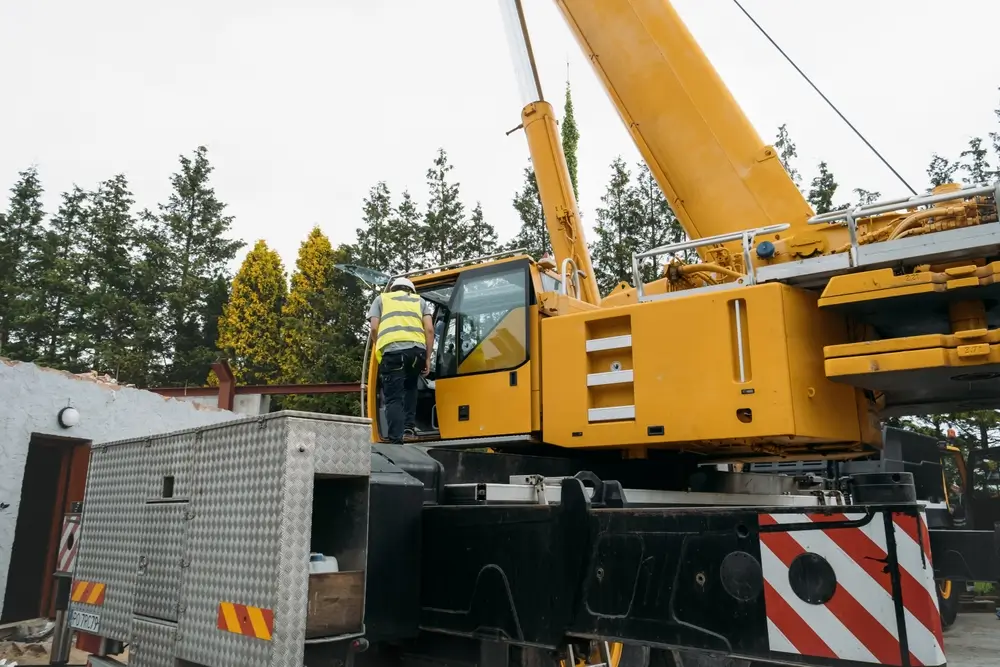
Crane operators play a critical role in construction, shipping, manufacturing, and infrastructure projects by safely lifting, moving, and positioning heavy materials using specialized machinery. From high-rise building developments to roadwork and industrial facilities, skilled crane operators help keep major projects running efficiently and on schedule.
As construction and industrial activity continue to grow, the demand for qualified crane operators remains strong across many industries. Employers are constantly looking for trained professionals who can operate cranes safely, follow load-handling procedures, and work effectively in high-risk environments. As you know, crane operation involves heavy equipment and elevated hazards; proper training and training are essential for entering the field.
A career as a crane operator can offer competitive pay, long-term job opportunities, and the chance to work on large-scale projects. However, the role also requires strong attention to safety, coordination, communication skills, and the ability to work in changing weather and site conditions. Understanding the training process, training requirements, and career path is the first step toward becoming a professional crane operator.
How to Become a Crane Operator
Here's a detailed breakdown to become a crane operator:
Meet Basic Eligibility Requirements
Most employers require crane operators to be at least 18 years old and possess a high school diploma or GED. Candidates should also meet physical fitness standards, including good vision, coordination, and the ability to work safely in demanding environments.
Complete a Formal Training Program
Many aspiring crane operators attend vocational schools, technical institutes, or union-sponsored programs to learn crane operation basics, safety procedures, load calculations, and equipment controls. Formal training helps prepare candidates for training and real-world job responsibilities.
Gain Hands-On Experience via Apprenticeship
Apprenticeships provide supervised on-the-job training where trainees learn how to operate cranes safely under experienced operators. This stage allows individuals to build practical skills, understand site communication, and gain the required operating hours.
Pass the National training Exam
Most employers require crane operators to earn training through organizations such as the National Commission for the training of Crane Operators or the National Center for Construction Education and Research. training exams typically include both written and practical testing to verify safety knowledge and operating ability.
Obtain State Licensure (if required)
Some states and local jurisdictions require crane operators to hold additional licenses beyond national training. Licensing requirements vary depending on crane type, lifting capacity, and local regulations.
Secure an Entry-Level Position
After completing training and training, new operators often begin in apprentice, trainee, or junior operator roles. Entry-level positions help operators gain experience working on active construction and industrial job sites.
Maintain training Through Continuing Education
Crane operators must regularly renew trainings to remain safe with industry standards and employer requirements. Continuing education and retraining enable operators to stay updated with evolving safety regulations, advancements in equipment technology, and best operational practices.
How Much Do Crane Operators Earn?
Crane operators can earn competitive salaries, particularly in industries such as heavy construction, infrastructure development, oil and gas, and industrial operations. Earnings vary depending on experience level, crane type, trainings, location, union membership, and the industry sector in which an operator works.
According to the U.S. Bureau of Labor Statistics, the average annual salary for crane and tower operators in the United States is typically between $55,000 and $85,000 per year, while highly experienced operators in specialized industries can earn well over six figures.
Entry-level crane operators and apprentices generally earn lower wages while gaining field experience. As operators build experience, obtain additional trainings, and qualify to operate larger or more complex cranes, their earning potential increases significantly.
Moreover, location also plays a major role in salary levels. States with major construction activity, ports, energy projects, or large-scale infrastructure work often offer higher pay rates due to increased demand for skilled operators. Urban construction markets and remote industrial sites may also provide premium wages or overtime opportunities.
Additional training
Many crane operators choose to pursue additional trainings to expand their skills, qualify for specialized equipment, and increase their job opportunities. Advanced credentials demonstrate a higher level of technical knowledge and can help operators stand out in competitive industries.
Specialized trainings are available for different types of lifting equipment and jobsite responsibilities, including tower cranes, overhead cranes, articulating cranes, and rigging operations. Employers often prefer operators with multiple trainings because they can work across a wider range of projects and equipment types.
Organizations such as the National Commission for the training of Crane Operators offer specialty trainings for various crane categories, signalpersons, and riggers. These trainings focus on equipment-specific operating procedures, load control, communication practices, and advanced safety standards.
Obtaining additional credentials can also lead to higher-paying opportunities in industries such as commercial construction, heavy infrastructure, manufacturing, shipping, and oil and gas. Operators with advanced trainings may qualify for supervisory roles, specialized lifting projects, or work involving high-capacity cranes and complex lift planning.
In addition to improving employability, specialized training helps crane operators strengthen workplace safety knowledge and remain safe with evolving industry regulations and employer requirements.
Conclusion
Becoming a crane operator requires a combination of training, hands-on experience, training, and ongoing skill development. From meeting basic eligibility requirements to completing apprenticeships and passing training exams, each step helps prepare operators for the responsibilities of safely handling heavy lifting equipment in demanding work environments.
With strong demand across construction, infrastructure, manufacturing, shipping, and energy sectors, crane operation continues to offer stable career opportunities and competitive earning potential for skilled professionals. Operators who pursue additional trainings and specialized training can further expand their career options and qualify for higher-paying positions.
For individuals interested in equipment operation, construction work, and hands-on technical careers, crane operation can be a rewarding path with long-term growth potential. Investing in proper training and safety education is the key first step toward building a successful and reliable career in the industry.