🔍 Back Injuries in the Workplace: A Growing Concern
📊 Over 1 Million Cases Annually
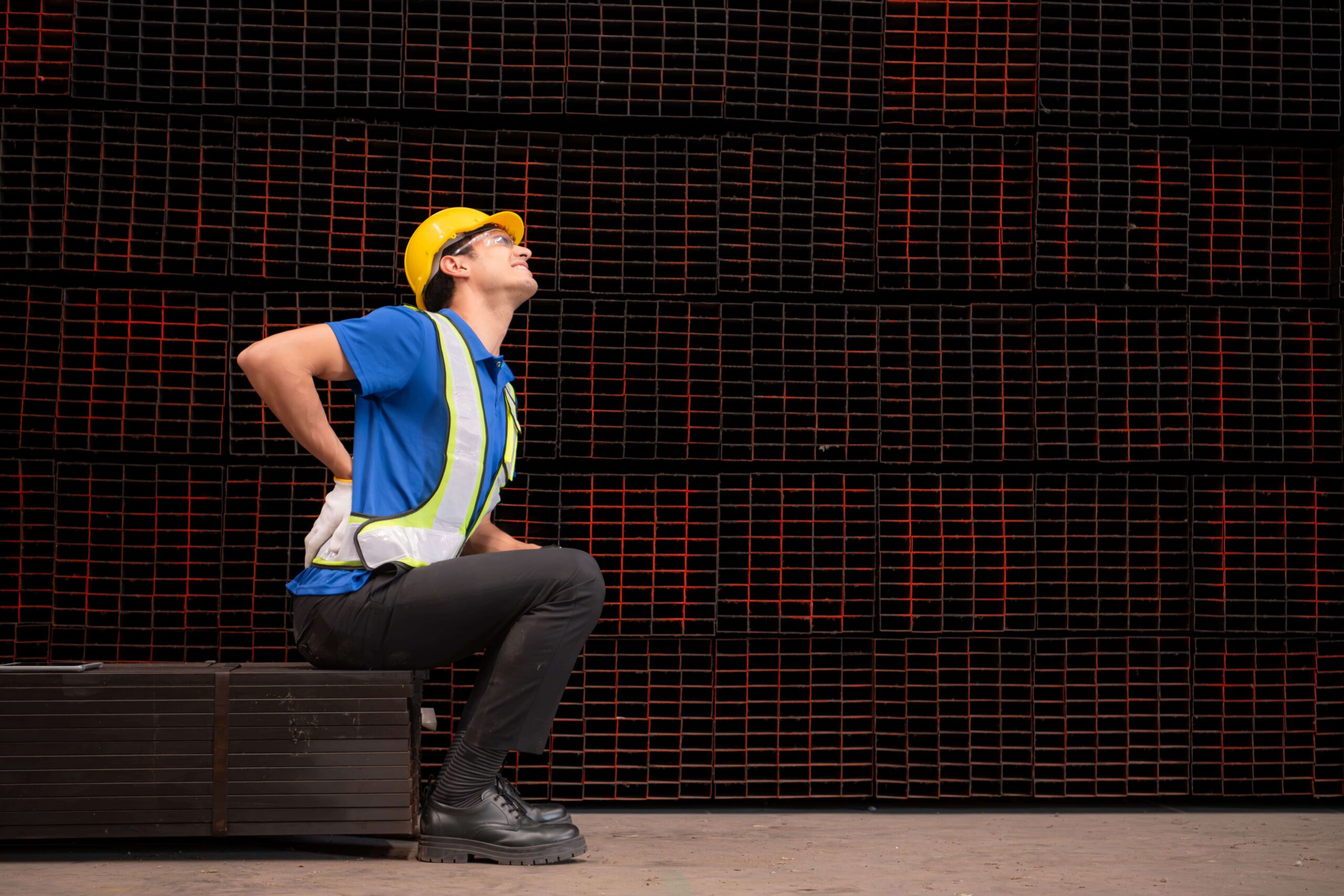
According to the Bureau of Labor Statistics (BLS), more than 1 million workers suffer from severe back injuries each year in the U.S. These injuries are among the most common and debilitating workplace issues.
Source: Bureau of Labor Statistics
Preventing Back injuries not only cause significant pain and long-term health issues but also lead to reduced productivity, prolonged time off work, and in severe cases, permanent disability.
Workers suffering from back pain often face daily challenges, from difficulty performing routine tasks to struggling with workplace efficiency. As a result, preventing these injuries is one of the top priorities for occupational health and safety.
Understanding the root causes of back injuries is essential to create and enforce effective preventive measures ensuring a safer, healthier work environment for everyone.
Back injuries prominent in work-related musculoskeletal disorder cases in 2016
Work-related musculoskeletal disorders resulting in days away from work in selected occupations by part of body, all ownerships, 2016📍 Let’s Have a Look at Some Facts about Back Injuries!
📈 1,000,000+ Injuries Annually
Every year, over one million back injuries happen in the workplace.
📊 1 in 5 Work Injuries
According to the U.S. Bureau of Labor Statistics, one in five are related to back injuries of all diseases and injuries sustained at the workplace.
🦴 80% Lower Back | 75% While Lifting
Almost 80 percent of the back injuries were related to the lower back, and 75 percent of them took place while performing a lifting task.
💰 $50 Billion+ Annual Economic Impact
Each year, these injuries impact over 600,000 American workers, costing the country over $50 billion.
🚷 Top Cause of Job-Related Disability
The leading cause of “job-related disability” and a significant factor in lost workdays is a back injury.
🤧 Second Leading Cause of Missed Work
It is the second leading cause of missed work after the common cold. Back injury is a severe problem for both companies and workers.
Source: U.S. Bureau of Labor Statistics
🏗️ Industries with Prominent Back Injuries
🩺 Healthcare Sector: 15.6% of Cases
Back injuries dominate various industries, but specific sectors have exceptionally high rates. Industries with high incidences of back injuries are construction and healthcare. Nurses, aides, and other healthcare workers often lift and move patients, which places a tremendous strain on their backs. In 2016, these professions made up 15.6% of all back-related cases.
👩⚕️ 10,330 Nursing Assistant Cases
Nursing assistants reported 10,330 musculoskeletal back injury cases one of the highest among occupations.
📦 10,660 Material Movers Affected
Laborers and manual material movers accounted for 10,660 back injury incidents in the same period.
🚛 Truck Drivers: Shoulder & Leg Injuries
Heavy truck drivers experienced 19.2% shoulder and 16.3% leg injuries more than any other occupation group.
🏭 Manufacturing: 438,200 Injuries
The manufacturing sector recorded a staggering 438,200 injuries leading all industries in total injury count.
🏗️ Construction: 4.7 Injuries per 100 Workers
With nearly 4.7 injuries per 100 full-time workers, construction ranks among the most hazardous industries for back injuries.
🍽️ Food & Accommodation: 51,770 Cases
In 2020, this industry had the second-highest number of reported back injury cases, totaling 51,770.
Source: U.S. Bureau of Labor Statistics
📊 Demographics & Data on Back Injuries
Workplace Back injuries affect workers of all ages, but some groups are more at risk due to job type, age, or gender. Here’s a breakdown of who is most affected and how injuries vary by sector.
👷♂️ Male Workers at Higher Risk
Men, especially in construction and manufacturing, are more likely to suffer back injuries due to physical job demands.
📅 Aging Increases Risk
Older workers tend to experience more severe back injuries due to reduced flexibility and longer recovery times.
🎂 Back Injuries by Age
2019: Workers aged 55-64 missed an average of 11 days due to back injuries.
2020: Healthcare workers aged 55-64 reported the most back injuries in their field.
2020: Most back injuries in mining occurred among workers aged 25-34.
Workers aged 45-54 missed the most days due to back injuries across all industries in 2020.
⚧️ Back Injuries by Gender
2019: More men experienced back injuries than women in the workplace.
2020: In service industries, women reported more back injuries than men.
2022: Women in retail had the highest rate of back injuries.
💢 Types & Causes of Back Injuries
Common injuries include muscle strains, disc herniation, chronic pain, arthritis, and spinal damage.
2019: Overexertion and physical response caused 33% of workplace injuries.
2019: Sprains, strains, and tears made up 30% of all cases most common type.
2019: Slips, trips, and falls accounted for 27% of workplace injuries.
The transportation and warehousing sector had the highest Back injury rate in 2019.
Median recovery time for back injuries was 7 days off work in 2019.
2020: Musculoskeletal disorders-i-ncluding back injuries accounted for 30% of all industrial injuries.
Source: National Institutes of Health (NIH) | U.S. Bureau of Labor Statistics
💼 Financial Burden of Lower Back Injuries
264 Million+ Lost Workdays
That’s the equivalent of two full workdays missed per full-time worker annually in the U.S.
$50B-$100B in Treatment Costs
The estimated annual medical spending in the U.S. just on back pain treatments.
Up to $635 Billion Per Year
Total economic impact of lower back pain including direct and indirect costs.
$51,051 Per Workers’ Comp Case
Average employer payout in 2018 for a single back injury claim.
$11-$12 Billion Company Costs
Annual employer losses tied to back injuries through compensation and productivity hits.
✅ Conclusion
Back injuries remain a serious and widespread issue across workplaces, affecting millions of workers annually regardless of industry. Their consequences range from chronic pain to long-term disability, impacting both employees and employers alike.
However, with the right preventive strategies, safety protocols, and training, organizations can greatly reduce risks. Raising awareness and promoting proactive measures is key to reducing injuries and improving worker well-being and productivity.