Navigating a workplace safely is essential in every industry, as even routine movement can expose workers to serious injury risks.
Slips, trips, falls, and struck-by incidents remain among the most common causes of workplace injuries, often resulting from cluttered walkways, poor lighting, uneven surfaces, or moving equipment.
These hazards not only harm employees but also lead to lost productivity, higher costs, and regulatory penalties.
OSHA plays a critical role in reducing these risks by establishing clear standards for walking-working surfaces, housekeeping, signage, and traffic control.
This blog explores OSHA requirements, common navigation hazards, and practical steps employers and workers can take to move safely through the workplace.
What Does “Workplace Navigation Safety” Mean?
Workplace navigation safety refers to how safely employees move through a worksite during daily tasks.
It includes maintaining clear, well-marked paths in areas such as walkways, stairways, loading docks, production floors, and emergency exits.
Unlike general workplace safety, which covers equipment and job-specific hazards, navigation safety focuses on movement-related risks.
These hazards are often overlooked because they feel routine, yet they are a leading cause of workplace injuries across industries.
Common Navigation Hazards Identified by OSHA
OSHA consistently identifies navigation-related hazards as a leading cause of workplace injuries across industries.
These hazards often exist in plain sight and are frequently overlooked during daily operations.
Poor housekeeping, inadequate lighting, and uncontrolled movement of people or equipment can quickly turn routine tasks into serious safety risks.
Understanding these hazards is the first step toward preventing injuries and maintaining OSHA adherence.
Slips, Trips, and Falls
These occur due to slick floors, loose cords, uneven surfaces, or clutter. OSHA identifies them as one of the leading causes of workplace injuries and lost workdays.
Obstructed Walkways and Poor Housekeeping
Tools, materials, or waste left in walkways create tripping hazards and block safe movement. Poor housekeeping is a frequent OSHA citation linked to preventable injuries.
Poor Lighting and Visibility
Insufficient lighting makes it difficult for workers to see hazards, changes in floor levels, or moving equipment. This increases the risk of falls and collisions.
Wet or Uneven Surfaces
Leaks, spills, damaged flooring, or outdoor weather conditions can create unstable walking surfaces. These hazards are especially dangerous in high-traffic areas.
Moving Equipment and Vehicle Traffic
Forklifts, carts, and vehicles operating near pedestrians pose struck-by and caught-between risks. Lack of separation between foot traffic and equipment increases injury potential.
Improper Signage or Missing Floor Markings
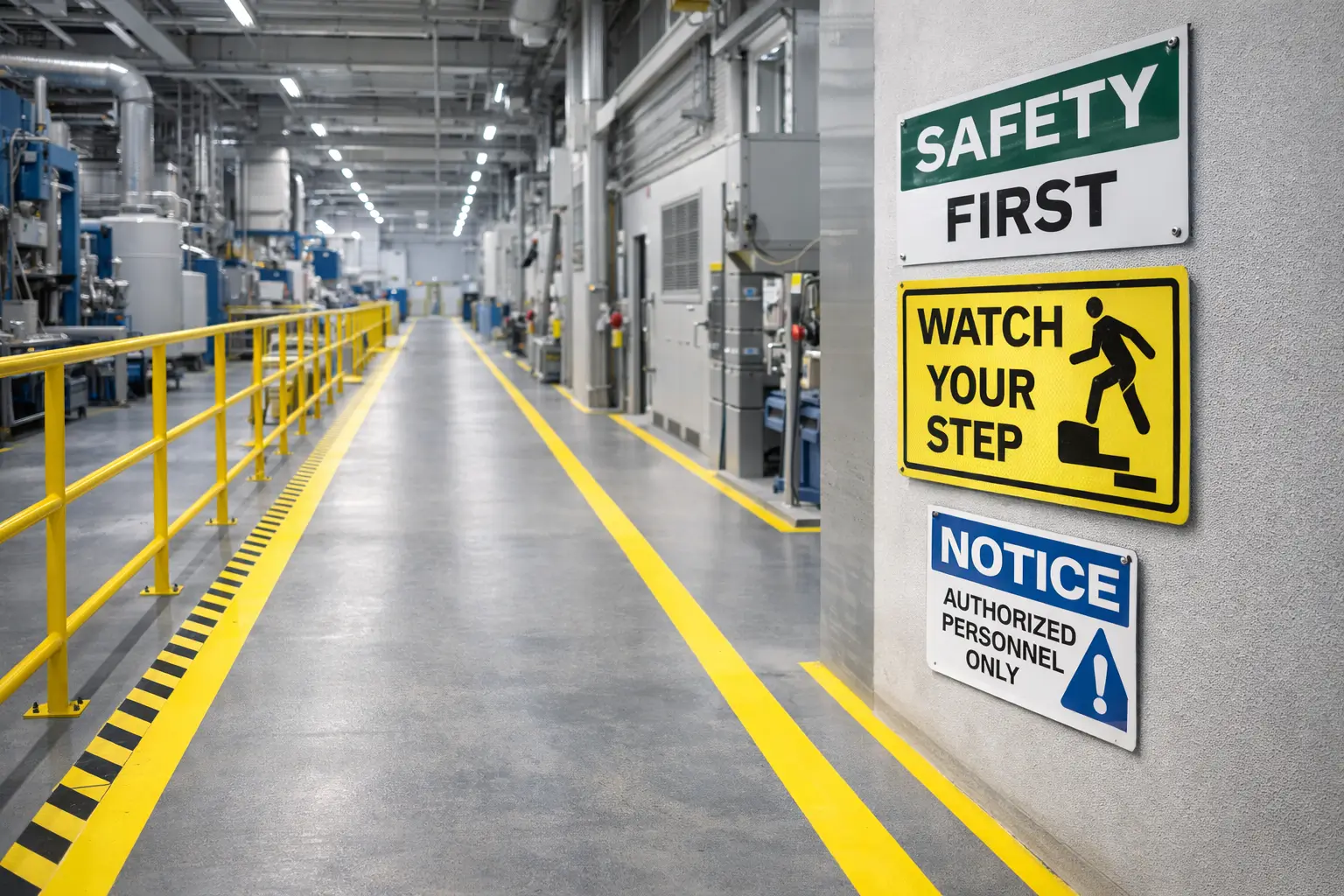
Without clear signs or floor markings, workers may unknowingly enter hazardous zones. OSHA requires visual warnings to guide safe movement and prevent accidents.
OSHA Standards That Apply to Workplace Navigation
OSHA has established specific regulations to reduce injuries related to workplace movement and navigation.
These standards focus on walking-working surfaces, housekeeping, lighting, and clear access to exits.
Employers are expected to proactively identify hazards and maintain environments where employees can move safely without unnecessary risk.
Key OSHA Regulations
OSHA has established specific regulations to reduce injuries related to workplace movement, walking surfaces, and emergency access.
These standards set clear expectations for how employers must design, maintain, and manage areas where employees move throughout the worksite.
29 CFR 1910 Subpart D: Walking-Working Surfaces
This standard covers floors, stairs, ladders, platforms, and elevated surfaces. It requires these areas to be structurally sound, properly maintained, and equipped with safeguards such as guardrails or handrails to prevent falls.
29 CFR 1910.22: Housekeeping Requirements
OSHA mandates that all walking and working surfaces be kept clean, orderly, and in a sanitary condition. Spills, loose materials, and debris must be promptly removed to minimize slip and trip hazards.
29 CFR 1910.37: Exit Routes and Emergency Access
This regulation requires exit routes to be clearly marked, adequately lit, and free from obstructions at all times. It ensures workers can evacuate quickly and safely during emergencies without confusion or delay.
29 CFR 1910 Subpart G: Signs, Signals, and Barricades
Subpart G establishes requirements for safety signs, color coding, floor markings, and barricades.
These visual warnings help alert workers to hazards, guide safe movement, and prevent accidental entry into dangerous areas.
Employer Responsibilities Under OSHA
Employers are responsible for maintaining clear, safe, and accessible walking paths throughout the workplace.
This includes promptly repairing damaged floors, stairs, and handrails to prevent falls.
Adequate lighting must be provided in all work areas, hallways, and exits to ensure visibility.
OSHA also requires that emergency exits and evacuation routes remain unobstructed at all times to protect workers during emergencies.
Safe Walkways and Work Areas (OSHA Best Practices)
OSHA emphasizes that safe workplace navigation starts with well-maintained walkways and work areas.
Floors should be kept clean, dry, and in good repair to prevent slips and trips, especially in high-traffic zones.
Proper storage practices help eliminate clutter that can block pathways or create tripping hazards.
The use of anti-slip flooring, mats, and coatings adds extra protection in wet or oily areas.
Clearly marked pedestrian walkways further separate foot traffic from equipment and vehicles, reducing struck-by risks.
Conclusion
Navigating the workplace safely is a shared responsibility that requires awareness, maintenance, and adherence to OSHA standards.
By identifying common hazards, following applicable regulations, and applying best practices for walkways and work areas, employers can significantly reduce injuries related to slips, trips, and falls.
A proactive approach to workplace navigation safety not only supports OSHA adherence but also creates a safer, more efficient environment for everyone.