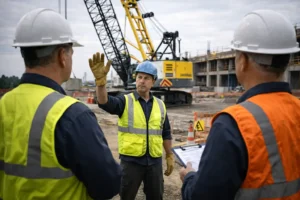

Pre-job hazard briefings are a crucial component of maintaining a safe and productive workplace. These short, focused discussions allow workers to understand potential hazards before starting their tasks, helping to prevent injuries and near-misses.
OSHA has a pre-job briefing standard titled 29 CFR 1926.952. It mandates discussions on job hazards, work procedures, energy controls, special precautions, and PPE before work starts, at least daily or when significant changes occur.
Effective briefings promote a culture of shared responsibility, encourage active participation, and strengthen daily safety practices.
This blog will guide you through what pre-job hazard briefings are, why they matter, and how to conduct them effectively.
What Is a Pre-Job Hazard Briefing?
A pre-job hazard briefing is a short, task-specific discussion conducted before work begins. Its purpose is to review the planned work, identify potential hazards, and outline safe work practices for the team. Unlike general toolbox talks, pre-job briefings are tailored to the specific site, equipment, and conditions of the day. These briefings ensure that all workers, including subcontractors and temporary staff, are aware of the risks and know their responsibilities. By holding briefings consistently, organizations can improve hazard awareness and reduce the likelihood of accidents.
Pre-job hazard briefings play a crucial role in preventing workplace injuries by identifying risks before work begins. They ensure that workers are fully aware of potential hazards and prepared to perform their tasks safely. By discussing specific risks, these briefings reduce near-misses and unsafe conditions that could escalate into serious incidents. They also reinforce a culture of continuous safety communication, keeping hazard awareness fresh in workers’ minds. Regular briefings improve task readiness, helping teams execute their work efficiently while minimizing exposure to dangers. Overall, they serve as a proactive measure to protect both workers and project timelines.
OSHA Expectations for Pre-Job Hazard Communication
OSHA emphasizes that employers must provide effective hazard communication to all workers, particularly before starting new tasks. Standards such as hazard communication, job planning, and fall protection require that employees be informed of known and potential hazards. Pre-job briefings must be task-specific and site-specific, addressing the unique risks present each day.
Employers are responsible for ensuring that briefings are understood by all employees, including temporary staff and subcontractors. Ongoing communication throughout the workday is equally important, as changing conditions or unforeseen hazards may arise. These expectations aim to reduce injuries, improve situational awareness, and support a culture of safety on every jobsite.
Key Elements of an Effective Pre-Job Hazard Briefing
Conducting a pre-job hazard briefing effectively requires a structured approach that addresses the scope of work, potential hazards, and safety responsibilities. These briefings set the stage for safe task execution by ensuring every worker understands what they are doing, the risks involved, and how to protect themselves and others. A well-organized briefing reinforces a culture of safety and provides a clear plan for handling hazards that may arise during the workday. The following elements are essential for a successful briefing:
Task Review
A thorough task review ensures that all workers understand the full scope of the work and the sequence of activities to be performed. It covers the equipment, tools, and materials that will be used, including any specialized machinery or site-specific tools. By reviewing tasks in detail, workers can anticipate potential challenges, identify where hazards may appear, and coordinate their work efficiently. Task review also helps to align the crew on expectations and reduces confusion that could lead to unsafe actions.
Hazard Identification
Identifying hazards is the cornerstone of any pre-job briefing. This includes assessing physical risks (falls, struck-by, caught-in-between), chemical exposure, environmental factors (weather, site conditions), and ergonomic concerns. Changes from previous workdays, such as new hazards, weather shifts, or changes in crew composition, must be communicated to ensure everyone is aware of updated risks. Early hazard identification allows workers to prepare and prevents surprises that can lead to accidents.
Risk Control Measures
Once hazards are identified, control measures must be clearly outlined. This includes engineering controls (guardrails, barriers, machine guards) and administrative controls (work sequencing, shift rotations, communication protocols). Safe work practices, including the correct use of personal protective equipment (PPE), should be emphasized. The briefing should specify which measures are mandatory for each task, ensuring workers understand how to reduce risk before starting work.
Roles & Responsibilities
Clear delineation of roles ensures accountability and coordination. Each worker should know their responsibilities for completing tasks safely, while supervisors must understand their role in monitoring compliance and providing guidance. Assigning responsibilities prevents overlaps or gaps that can lead to unsafe conditions. Reinforcing expectations for both management and workers helps maintain order and ensures that everyone actively contributes to hazard prevention during the job.
Step-by-Step: How to Conduct a Pre-Job Hazard Briefing
A pre-job hazard briefing is most effective when conducted systematically, ensuring all workers understand the tasks, hazards, and safety measures before stepping onto the worksite. The following steps outline best practices for conducting a comprehensive briefing:
Prepare Before the Shift Starts
Preparation is critical for an effective briefing. Review the day’s tasks, inspect the worksite for potential hazards, and gather any relevant tools, equipment, or materials. Supervisors should identify known risks in advance, including changes from previous days such as weather conditions, site modifications, or new crew members. Having a clear plan allows the briefing to be organized and ensures no hazards are overlooked.
Involve Workers in Hazard Identification
Engage workers actively during the briefing by asking them to point out potential hazards they notice. This not only increases awareness but also encourages participation and ownership of safety practices. Workers may have firsthand knowledge of site-specific risks that supervisors could miss. Collaborative identification helps capture both obvious and less apparent hazards.
Use Clear, Simple Language
Safety communication should be concise and easy to understand. Avoid technical jargon that may confuse workers, especially those who are new, temporary, or non-native speakers. Using plain language ensures that every worker understands the hazards, controls, and their individual responsibilities. Visual aids like site diagrams or hazard markers can further reinforce understanding.
Encourage Questions and Feedback
Allow time for workers to ask questions or provide feedback on tasks, procedures, or hazards. Open discussion helps clarify uncertainties, reinforces learning, and can uncover potential risks not initially considered. Encouraging feedback fosters a safety culture where workers feel comfortable speaking up, which is essential for preventing accidents.
Confirm Understanding Before Work Begins
Before the crew starts work, confirm that everyone understands the hazards, control measures, and their specific roles. This can be done through verbal acknowledgment, quick quizzes, or informal check-ins. Ensuring comprehension minimizes confusion on-site and promotes adherence to safe work practices throughout the shift.
Conclusion
Pre-job hazard briefings play a critical role in preventing injuries and improving daily job-site awareness. When conducted properly, they help workers understand task-specific risks, recognize changing conditions, and apply the right control measures before work begins. These briefings support ongoing hazard communication and reinforce shared responsibility for safety.
By keeping discussions focused, engaging workers, and addressing real-time site conditions, employers can strengthen day-to-day safety practices and reduce near-misses. Consistent, well-executed pre-job hazard briefings are a practical way to promote safer work behaviors and support long-term injury prevention across all types of worksites.