Warehouses across the United States are rapidly adopting robotics and automation to increase speed, accuracy, and productivity.
While these technologies offer major operational benefits, they also introduce new and often overlooked safety hazards for workers.
Human-robot interaction, automated movement, and complex machinery create risks that traditional warehouse safety programs may not fully address.
As automation expands, employers must understand how existing OSHA standards apply to robotic systems.
Proper OSHA adherence helps prevent injuries, reduce downtime, and ensure that innovation does not come at the expense of worker safety.
The Rise of Robotics in Warehousing
Warehousing operations have undergone a major transformation with the introduction of advanced robotics and automation systems.
To meet growing demands for faster order fulfillment and improved efficiency, many facilities now rely on machines to handle repetitive, heavy, or high-volume tasks.
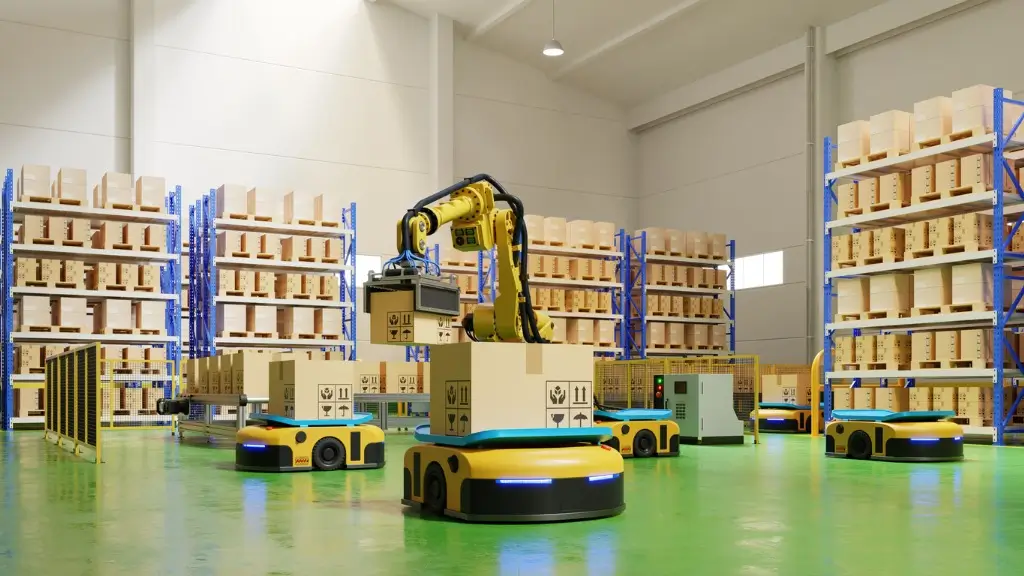
While these technologies reduce manual labor, they also reshape how workers interact with equipment on the warehouse floor, creating new safety considerations. Here are some common types of warehouse robotics in use today:
Automated Guided Vehicles (AGVs):
AGVs follow fixed routes using markers, wires, or sensors to transport materials throughout a facility. They are commonly used for moving pallets, containers, and inventory between work areas.
Autonomous Mobile Robots (AMRs):
Unlike AGVs, AMRs navigate dynamically using cameras, sensors, and mapping software. They can adjust their paths in real-time, increasing efficiency, but also raising collision and interaction risks.
Robotic picking and palletizing systems:
These systems automate tasks such as picking items, stacking pallets, and sorting goods. While they reduce physical strain, they introduce hazards related to moving arms, pinch points, and mechanical failures.
Robotics is shifting warehouses toward faster, more automated workflows that rely on constant machine operation.
This increases the frequency of human-machine interaction, requiring workers to share spaces with moving robots and automated equipment.
As a result, clear safety protocols, proper training, and OSHA-aligned risk controls are more important than ever.
Common Safety Hazards Associated with Warehouse Robotics
As warehouses increasingly rely on robotics and automation, new safety challenges are emerging alongside efficiency gains.
While robots reduce manual labor and improve productivity, they also introduce risks related to human-machine interaction, system failures, and accelerated work environments.
Understanding these hazards is essential for employers to implement effective controls, protect workers, and maintain adherence with OSHA safety standards in automated warehouse settings.
Collision and Impact Risks
Autonomous robots and vehicles can collide with workers, forklifts, or storage racks, especially in high-traffic areas.
Poor visibility, blind spots, or unexpected human movement increase the likelihood of impact incidents. These collisions can cause serious injuries and damage to inventory or infrastructure.
Pinch, Crush, and Entanglement Hazards
Robotic arms, conveyors, and automated picking systems contain moving parts that can trap hands, clothing, or tools.
Workers performing tasks near operating equipment face risks if guarding is inadequate or safety zones are ignored. These hazards are especially common during loading, unloading, or manual intervention.
Electrical and Mechanical Failures
Faulty wiring, worn components, or improper maintenance can lead to sudden breakdowns or unexpected machine startups.
Maintenance and repair tasks carry elevated risks when lockout/tagout procedures are not strictly followed. Such failures may result in electric shock, burns, or crushing injuries.
Programming and Software Errors
Errors in robot programming or sensor calibration can cause navigation failures or unpredictable movements. Malfunctioning software may prevent robots from detecting obstacles or stopping in time.
These issues increase the risk of accidents, particularly in environments with mixed human and robot activity.
Ergonomic and Fatigue Concerns
Automation often increases work speed and production targets, placing greater physical and mental strain on workers.
Repetitive tasks and reduced recovery time can lead to musculoskeletal injuries and fatigue. Over time, this can contribute to decreased alertness and higher accident rates.
OSHA’s Role in Regulating Warehouse Robotics Safety
While OSHA does not currently have a standard specifically for robotics, existing regulations still apply to ensure worker safety around automated systems.
Employers are required under the General Duty Clause to provide a workplace free from recognized hazards, including those posed by robots.
Machine guarding standards help prevent contact with moving parts, while Lockout/Tagout (LOTO) requirements ensure machinery is safely de-energized during maintenance.
Additionally, electrical safety standards protect employees from shocks or malfunctions.
Overall, OSHA emphasizes that employers are responsible for identifying risks and implementing effective controls to prevent injuries in robotic work environments.
Human-Robot Interaction: Managing Shared Workspaces
As warehouses adopt more robotics, humans increasingly share workspaces with automated systems, creating unique safety challenges.
Collision risks are significant when workers move through areas where robots operate, so establishing clear traffic pathways is critical.
Visual warnings and audible alerts help employees remain aware of nearby robotic activity, reducing the likelihood of accidents.
Implementing speed limits and geofencing for robots ensures they operate safely within designated zones and avoid high-traffic human areas.
Finally, training workers to recognize robotic movement patterns and potential hazards is essential for fostering situational awareness and preventing injuries.
Conclusion
Warehouse robotics offers significant efficiency gains but introduces new safety risks that cannot be overlooked.
By understanding common hazards, enforcing OSHA-related standards, and carefully managing human–robot interactions, employers can create a safer, more productive environment.
Proactive measures, including clear pathways, proper alerts, speed controls, and worker training, help minimize accidents, ensure OSHA adherence, and build a culture of safety in increasingly automated warehouses.